Contents
The endocrine system is a set of hormone secreting glands within the body of an animal. The function of the endocrine system is homeostasis, communication and response to stimuli. The endocrine system regulates the internal environment of the animal for growth, survival and reproduction as well as allowing it to respond to changes in its external environment.
The endocrine system’s glands secrete chemical messages we call hormones. These signals are passed through the blood to arrive at a target organ, which has cells possessing the appropriate receptor. Exocrine glands (not part of the endocrine system) secrete products that are passed outside the body. Sweat glands, salivary glands, and digestive glands are examples of exocrine glands.
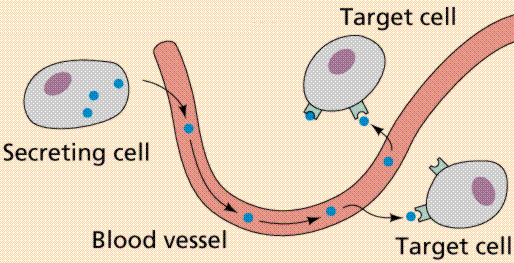
The other communication method in the body is the nervous system. Although there are differences between them, they complement each other in many responses, e.g., response to danger.
The difference between nervous and endocrine control are as follows:
1. Nervous response is faster.
2. Nervous response is shorter in duration.
3. Nervous response stops quicker.
Nervous response is much more local.
Nerve messages are conducted electrically; endocrine messages are carried chemically.
Hormones
Most hormones are made of protein. They are called peptides. Peptides are short chains of amino acids; most hormones are peptides. They are secreted by the pituitary, parathyroid, heart, stomach, liver, and kidneys.
Some hormones are steroid based. Steroids are lipids derived from cholesterol. Testosterone is the male sex hormone. Estradiol, similar in structure to testosterone, is responsible for many female sex characteristics. Steroid hormones are secreted by the gonads, adrenal cortex, and placenta.
Hormones are usually slow to act but, once they act, they remain active for long periods of time and, also, their effects remain for a long time.
Endocrine Glands
There are 10 endocrine glands. As stated previously, other organs such as the stomach, intestines, kidneys, heart, brain, and placenta also make hormones.
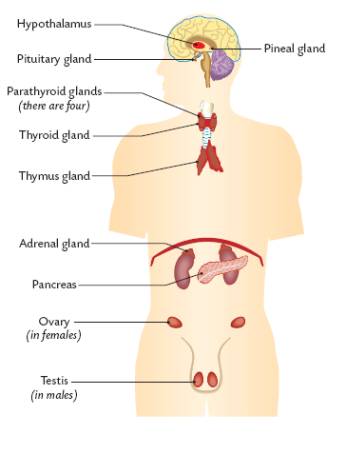
The Pituitary Gland
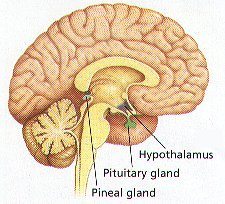
The pituitary gland is often called the master gland. That is because the pituitary gland produces hormones that regulate other endocrine glands. Some hormones produced by the pituitary gland are:
1. Follicle Stimulating Hormone (FSH): Will be discussed in a later Chapter of the syllabus.
2. Luteinising Hormone (LH): Will be discussed in a later Chapter of the syllabus.
3. Growth Hormone (GH): Causes body cells to absorb amino acids and form protein for growth. The main function is to cause the elongation of bones.
4. Prolactin: stimulates milk formation by the breast after the birth of the baby.
5. Oxytocin: stimulates muscle contraction of uterus during birth, stimulates muscle contraction in the milk ducts during breast-feeding.
6. Antidiuretic Hormone (ADH): causes increased water reabsorption by kidneys.
7. Thyroid Stimulating Hormone (TSH): Combines with iodine at the thyroid gland to produce thyroxine.
Overproduction of GH causes gigantism and underproduction causes dwarfism.
The Hypothalamus
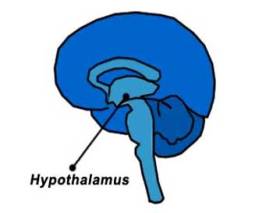
The hypothalamus links the nervous system with the endocrine system. It produces hormones that control the pituitary gland’s responses to messages from the brain and other hormones. Some these hormones, called releasing hormones, stimulate the pituitary gland to make other hormones. Others, called release inhibiting hormones, prevent the production of pituitary hormones.
An example is growth hormone releasing factor. This causes the production of growth hormone (GH) by the pituitary gland.
The Pineal Gland
This gland is in the brain. One hormone produced there is melatonin. Synthesis and release of melatonin is stimulated by darkness and inhibited by light. But even without visual cues, the level of melatonin in the blood rises and falls on a daily (circadian) cycle with peak levels occurring in the wee hours of the morning. Melatonin is readily available in drug stores and health food stores, and it has become quite popular. Ingesting even modest doses of melatonin raises the melatonin level in the blood to as much as 100 times greater than normal. These levels appear to promote going to sleep and thus help, insomnia to hasten recovery from jet lag, and to not to have dangerous side effects.
The Thyroid Gland
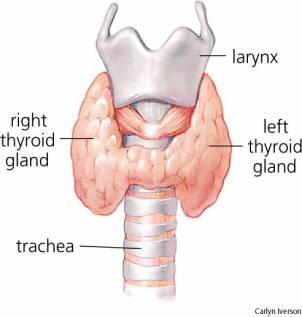
The thyroid gland produces the hormone called thyroxin. Thyroxin controls the rate of all the body’s internal reactions. In other words, thyroxin controls the rate of the body’s metabolism.
Physical conditions related to abnormal thyroid function are:
Hypothyroidism- Under Production of Thyroxine
1. Cretinism- Under production of thyroxin in young children. This results in low metabolic rates and results in retarded physical and mental development.
2. Myxoedema- Under production of thyroxin in adults. Characteristics are tiredness, lack of energy, slow mental and physical activity, and weight gain.
3. Goitre- Swelling of the thyroid caused by myxoedema.
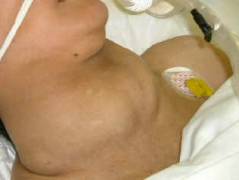
In cases of low production of thyroxine tablets are available to increase the thyroxine in the body. Since thyroxine needs iodine to be produced iodine is also administered to boost thyroxine levels.
Thyroxine Excess (Hyperthyroidism)
Thyroxine secretion is above normal. This causes a raised level of metabolism. Symptoms of over production of thyroxin are bulging eyes, weight loss heat production, nervousness, irritability, and anxiety. This condition is called Grave’s Disease. Corrective measures for Grave’s Disease are:
1. Drugs to suppress thyroid activity
2. Surgically remove part of the gland
3. Use radioactive iodine to destroy some of the gland.
The Parathyroids
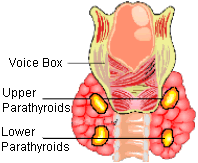
There are 4 parathyroid glands. They are located within the thyroid gland. The hormone they produce is called parathormone. This hormone stimulates the release of calcium from the bones. That is why we must continue to include calcium in our diet even when our bones are fully grown.
The Thymus Gland
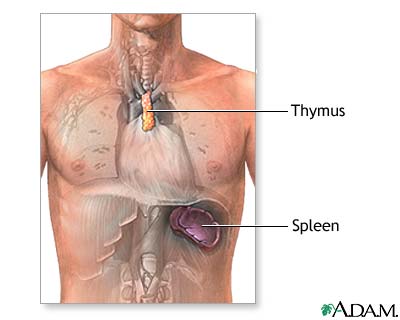
This gland is located behind the breastbone. It produces the hormone thymosin. This hormone causes white blood cells (lymphocytes) to become mature and active. These blood cells, as previously discussed in the Blood web page, are involved in the body’s immune system.
The Adrenal Glands
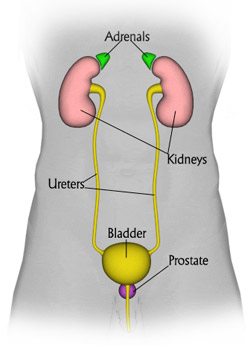
The adrenal glands are located on top of each kidney. They secrete the hormone called adrenaline (also called epinephrine). This hormone prepares the body for stress and is released when we are frightened or feel stress. It does the following:
1. Increases blood flow to the heart, muscles, and brain.
2. Reduces blood flow to the kidneys. This helps reduce blood loss if we are cut. It causes us to get pale.
3. Opens the bronchioles allowing us to get more air.
4. Increases glucose levels in the blood.
5. Increases heartbeat rate.
6. Increase muscular contraction and strength.
7. Increases mental alertness.
Pancreas
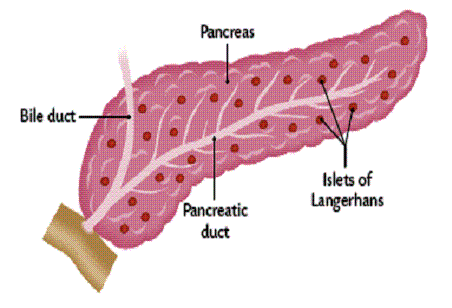

As discussed in the Human Nutrition web page the pancreas secretes pancreatic juice for the digestive system.
In addition, the pancreas produces the hormone called insulin. This hormone is produced in groups of cells called Islets of Langerhans. Insulin is needed because it reduces blood glucose levels in the blood. It causes cells, especially fat and muscle cells, to absorb glucose from the blood. The glucose is needed for cellular respiration or converted into glycogen. The glycogen is stored in the liver or the muscles for future use in cellular respiration.
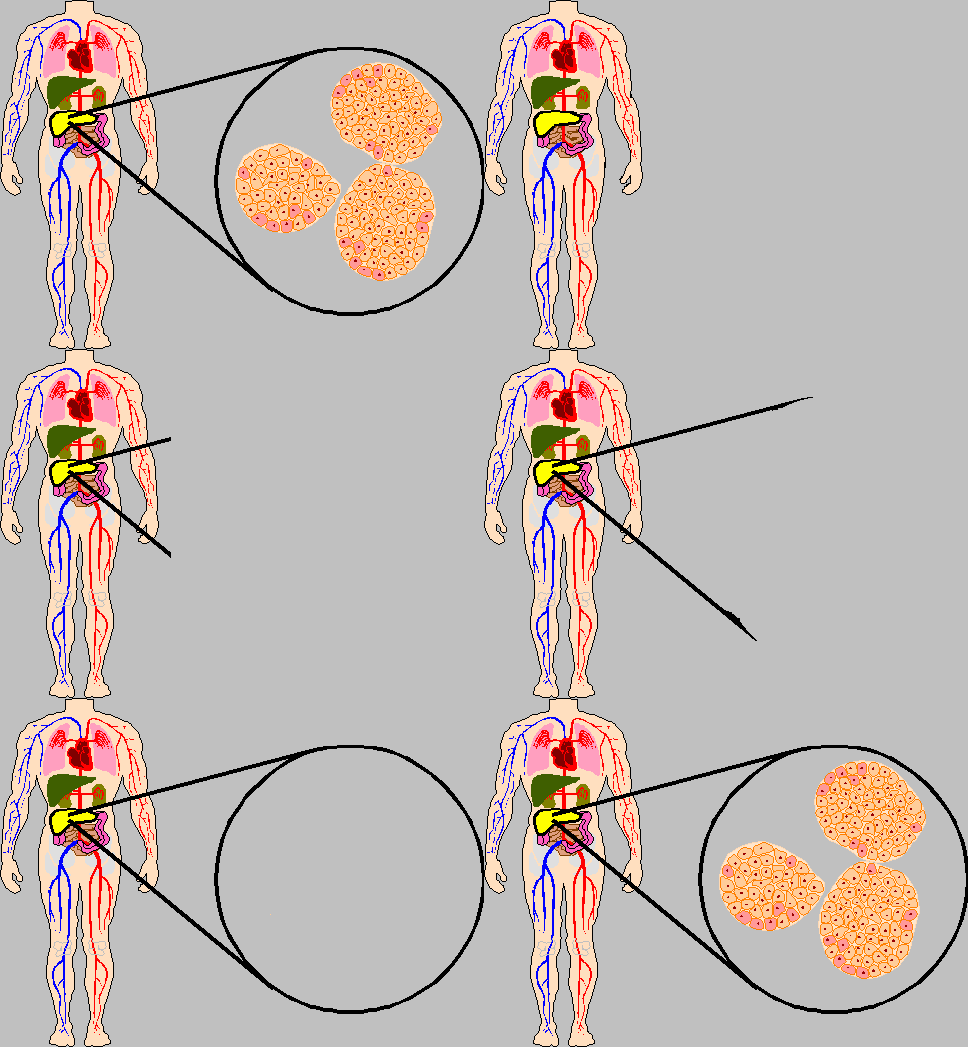
Diabetes is a serious condition that results from 1 of 2 causes. In type 1 diabetes, the pancreas no longer makes insulin and therefore blood glucose cannot enter the cells to be used for energy. In type 2 diabetes, either the pancreas does not make enough insulin or the body is unable to use insulin correctly. Symptoms of diabetes are high glucose levels in the blood and urine, the production of large amounts of urine, severe thirst, loss of weight, and tiredness.
Injections of insulin, which are taken daily, the control of carbohydrate intake, exercise, and weight control treat diabetes.
Anabolic Steroids
Anabolic steroids are hormone supplements that have been used. They build up muscle, speed up recovery of muscle from injury, and help strengthen bones. There are many serious side effects such as liver and adrenal gland failure, infertility, impotence, and the development of male characteristics in females that can result if they are misused. They are also, sometimes given to animals to promote increased lean muscle (meat) production. This practice is banned in the EU.
Control of Thyroxine Level
Control of thyroxine level as well as many other hormones is done by negative feedback. If the thyroxine level is normal the pituitary gland is inhibited from releasing thyroid stimulating hormone (TSH). As a result, no further thyroxine is produced. When thyroxine levels are low the pituitary gland produces TSH. This causes more thyroxine to be produced by the thyroid gland.
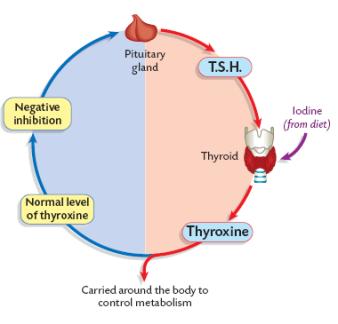
An Example of negative feedback in the role of the thyroid in maintaining body temperature at 37’C:
The hypothalamus of the brain detects a drop in blood temperature.
The hypothalamus stimulates the pituitary to secrete TSH (thyroid-stimulating hormone).
This hormone stimulates the thyroid to increase its secretion of thyroxine.
The higher concentration of thyroxine increases metabolism and heat production increases.
The blood is warmed back to normal temperature.
OR:
Hypothalamus detecting raised blood temperature and reduces its stimulation of the pituitary.
High thyroxine levels inhibiting the release of TSH from the pituitary.
The increased level of thyroxine leads to the limitation or reduction of its secretion.
Body’s metabolism slows down as a result of less thyroxin. The body’s temperature goes down.
Review Chart of Major Hormonal Glands
|
Where the Hormone is Produced |
Hormone(s) Secreted |
Hormone Function |
|
Adrenal Glands |
Adrenalin |
Causes Emergency Responses |
|
Pituitary Gland |
Growth hormone |
Affects growth and development; |
|
Pancreas |
Insulin |
Lowers blood sugar levels; |
|
Hypothalamus |
Growth Hormone |
Causes growth hormone |
|
Pineal Gland |
Melatonin |
Controls body rhythms |
|
Parathyroid Glands |
Parathyroid hormone (Parathormone) |
Affects bone formation and |
|
Thyroid |
Thyroxine |
Controls Metabolism |
|
Thymus |
Thymosin |
Matures white blood cells |