Contents
- EVOLUTION AND CLASSIFICATION
- KINGDOM EUBACTERIA
- BIOLOGY OF BACTERIA
- STRUCTURAL CHARACTERISTICS OF A BACTERIAL CELL
- NUTRITION AND GROWTH
- Bacteria Divide and Multiply
- FACTORS THAT AFFECT THE GROWTH OF BACTERIA
- REPRODUCTION BY FISSION AND ENDOSPORES
- OTHER REPRODUCTIVE METHODS OF BACTERIA
- BACTERIA AND HUMANS
- DISEASE
- PICTURES OF SOME COMMON DISEASE CAUSING BACTERIA:
- ANTIBIOTICS
- ANTIBIOTIC RESISTANCE
- Bacteria are present in the human digestive system and aid in digestion
- BATCH PROCESSING AND CONTINUOUS FLOW PROCESSING
- BACTERIA SELF TEST
EVOLUTION AND CLASSIFICATION
1. BACTERIA are microscopic unicellular Prokaryotes.
2. Bacteria are the MOST NUMEROUS ORGANISMS ON EARTH.
3. Bacteria have evolved into many different forms, and they are now part of nearly every environment on Earth. They have been found at the bottom of the oceanic trenches 9.6 km (6 mi) below the water’s surface and in Arctic and Antarctic Regions.
4. Evidence in the fossil record indicates that Prokaryotes are about 2.5 Billion Years Old and Modern Humans arose about 100,000 years ago.
5. Organisms are classified as Bacteria by ONE CHARACTERISTIC: THE LACK OF A CELL NUCLEUS.
6. Unlike most other organisms, Bacteria have few Morphological differences that can be used to classify them, Bacteria do Not vary in size and shape to the extent that other types of organisms do.
7. Traditionally, bacteria have been grouped based on their Structure, Physiology, Molecular Composition, and Reaction to specific types of stains, (Gram Stain), rather than on their evolutionary relationships.
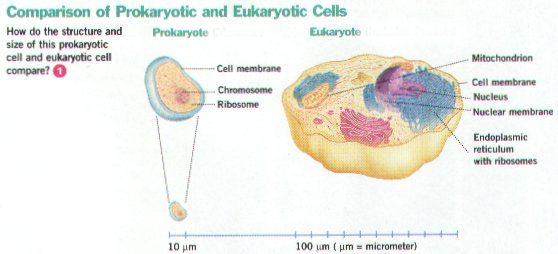
8. PROKARYOTES SHARE SEVERAL CHARACTERISTICS:
A. PROKARYOTES DO NOT HAVE A MEMBRANE-BOUND NUCLEUS.
B. PROKAROYTES DO HAVE A CELL MEMBRANE, BUT DO NOT HAVE MEMBRANE BOUND ORGANELLES.
C. PROKARYOTES HAVE RIBOSOMES THAT ARE DIFFERENT FROM THOSE OF EUKARYOTES.
D. ALMOST ALL PROKARYOTES ARE SMALLER THAN THE SMALLEST EUKAROYTES.
E. MOST PROKARYOTES ARE SINGLE-CELLED ORGANISMS (UNICELLULAR).
KINGDOM EUBACTERIA
1. Eubacteria account for most bacteria; they occur in many shapes and sizes and have distinct Biochemical and Genetic Characteristics.
2. The PREFIX “EU” means TRUE. The so-called true bacteria are all the organisms traditionally known as BACTERIA OR AS MOM WOULD SAY “GERMS”.
3. Bacteria can be one of THREE Different SHAPES: the three common types of bacterial morphology – coccus, bacillus, spirillum. These spherical, rod and sprial shaped morphologies are typical of such genera as: Streptococcus / Staphylococcus, Escherichia / Bacillus and Leptospira / Spirillum.
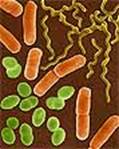
A. Eubacteria that are ROD-SHAPED are called BACILLI
B. SPHERE-SHAPED Eubacteria are called COCCI. WHEN COCCI OCCURE IN CHAINS, THEY ARE CALLED STREPTOCOCCI, GRAPELIKE CLUSTERS OF COCCI ARE CALLED STAPHYLOCOCCI.
C. Electron micrograph of an ultra-thin section of a chain of group A streptococci:

D. SPIRAL-SHAPED EUBACTERIA ARE CALLED SPIRILLA.
BACTERIA USUALLY GAIN PART OF THEIR NAME FROM THEIR SHAPE.
BIOLOGY OF BACTERIA
Viewed through a light microscope, bacteria appear to be relatively simple rods, spheres, and other forms. However, the electron microscope reveals a great amount of detail structure within each form. These detailed structures are responsible for the activities carried out by bacteria.
STRUCTURE
1. Bacteria are Typically composed of a Cell Wall, a Cell Membrane, and Cytoplasm. (SEE Table Below)
2. Some bacteria have Distinctive Structures, such as Endospores, Capsules, and Outer Membranes.
3. The Variety of Structures among Bacteria is due to adaptations to individual niches (place in the world).
CELL WALL
1. With few exceptions bacteria have a Cell Wall.
CELL MEMBRANE AND CYTOPLASM
1. The Bacterial Cell Membrane is composed of a Lipid Bilayer similar to Eukaryotes.
2. In Bacteria, the cell membrane contains Enzymes that Perform the Reactions of Cellular Respiration.
3. Bacteria do NOT have Mitochondria so they use their cell membranes to carry out Cellular Respiration.
4. The cell membranes of Photosynthetic Bacteria have internal foldings called THYLAKOIDS, these are equal to the Thylakoids found in Chloroplasts.
5. Bacterial cells do NOT have membrane bound organelles. The CYTOPLASM of Bacterial cells is made of a Viscous (Thick Liquid) solution of Ribosomes and DNA.
6. The Bacterial DNA is arranged in a single, closed loop. Some bacteria also have PLASMIDS, self-replicating loops of DNA, in their Cytoplasm.
CAPSULES AND PILI
1. Many bacterial species produce an Outer Covering called a CAPSULE. The capsule is made of polysaccharides that cling to the surface of the cell and Protect It against drying or harsh chemicals and a host body’s white blood cells, which would otherwise engulf (eat) it.
2. When a Capsule consists of a Fuzzy Coat of Sticky Sugars, it is called a GLYCOCALX (GLIE-koh-KAY-liks). The Glycocalyx enables bacteria to attach to the surface of host cells and tissue.
3. PILI are Short, Hairlike Protein Structures found on the Surface of some species of bacteria. Pili help bacteria hold on to host cells, and are also used to transfer genetic material from one bacterium to another.
ENDOSPORES
1. Some bacteria have a special means of surviving difficult conditions. WHEN LIVING CONDITION BECOME UNFAVORABLE, SOME BACTERIA FORM SPECIAL, DEHYDRATED CELLS CALLED ENDOSPORES.
2. A bacterial Endospore is a dormant structure that is produced by some Gram-positive bacterial species that are exposed to harsh environmental conditions.
3. Endospores consists of a Thick Outer Covering that surrounds the Cell’s DNA.
4. Although the Original Cell may be Destroyed (Die) by harsh conditions, its Endospore will survive. They help bacteria resist High Temperature, Harsh Chemicals, Radiation, Drying, and other environmental extremes.
5. Bacteria that form Endospores have an advantage for survival. Endospores can be alive but inactive for many years.
6. When conditions improve (become favorable), they break open and produced new bacteria cells.
7. This is NOT a form of Reproduction (THEY ARE NOT REPRODUCTIVE CELLS), but it does allow some species of bacteria to survive hostile conditions and to grow and reproduce when conditions improve.
MOVEMENT STRUCTURES
1. Many Bacteria use FLAGELLA, WHIPLIKE STRUCTURES, FOR MOVEMENT. These are usually used to move bacteria cells through water. (Figure 24-5)
2. Bacteria that Lack Flagella have other methods of Movement.
3. Myxobacteria produce a Layer of Slime and then Glide through it.
4. Some Spiral-shaped bacteria move by a Corkscrew-Like Rotation. These organisms have Flexible Cell Walls and filaments within the Cell Walls that, when Contracted, cause the bacterium to turn and move ahead.
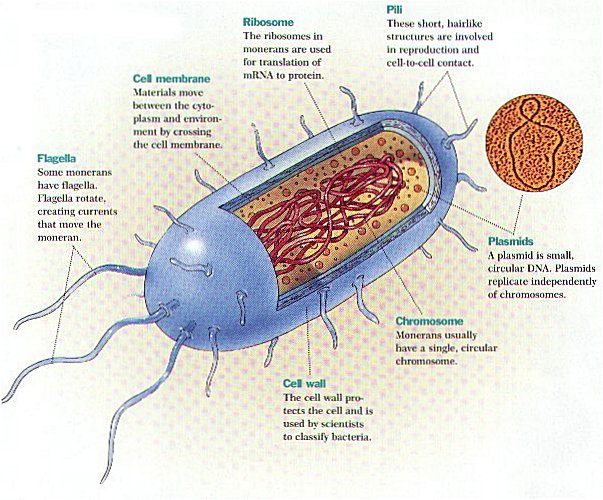
STRUCTURAL CHARACTERISTICS OF A BACTERIAL CELL
|
FUNCTION |
|
|
Cell Wall |
protects the cell and gives shape |
|
Outer Membrane |
protects the cell against some |
|
Cell Membrane |
regulates movement of materials into and |
|
Cytoplasm |
contains DNA, ribosomes, and organic |
|
Chromosome |
carries genetic information inherited |
|
Plasmid |
contains some genes obtain through |
|
Capsule, and slime layer |
protects the cell and assist in attaching |
|
Endospore |
protects the cell against harsh |
|
Pilus (Pili) |
assist the cell in attaching to other |
|
Flagellum |
moves the cell |
NUTRITION AND GROWTH
1. TWO major differences between groups of BACTERIA are their SOURCE OF ENERGY AND WHETHER OR NOT THEY USE OXYGEN FOR CELLULAR RESPIRATION.
2. Most BACTERIA are PARASITES; they get their energy by consuming live Organic Matter as a source of Nutrition.
3. Heterotrophic bacteria that feed on dead or decaying material are called SAPROPHYTES.
4. Some are AUTOTROPHS, they obtain their energy by making their own Food from SUNLIGHT OR MINERALS.
5. PHOTOAUTOTROPHS ARE BACTERIA THAT USE SUNLIGHT AS AN ENERGY SOURCE.
6. CHEMOAUTOTROPHS OBTAIN THEIR FOOD FROM OXIDIZING INORGANIC COMPOUNDS INSTEAD OF SUNLIGHT.
7. The Second important Metabolic difference between BACTERIA groups has to do with CELLULAR RESPIRATION.
8. ORGANISM THAT USE OXYGEN DURING CELLULAR RESPIRATION ARE CALLED AEROBES.
9. THOSE THAT DO NOT USE OXYGEN ARE CALLED ANAEROBES, TYPICALLY THEY GET ENERGY FOR THEIR CELLULAR RESPIRATION THROUGH FERMENTATION.
10. THE PRESENCE OR ABSENCE OF OXYGEN IN THE ENVIRONMENT IS A LIFE DETERMINING CONDITION FOR SOME BACTERIA:
A. BACTERIA CALLED OBLIGATE AEROBES CANNOT LIVE WITHOUT OXYGEN.
B. BACTERIA CALLED OBLIGATE ANAEROBES CANNOT LIVE IN THE PRESENCE OF OXYGEN.
C. BACTERIA CALLED FACULTATIVE ANAEROBES CAN USE OXYGEN WHEN IT IS AVAILABLE, BUT THEY DO NOT DEPEND UPON IT.
11. Bacteria have varying Temperature Requirements for Growth. Some bacteria grow best in Cold Temperatures of 0-20 degrees C (32-68 F). Others grow best in Temperatures between 20-40 degrees C (68-104 F).
12. Thermophilic (Heat Loving) bacteria grow best in Temperatures between 40-110 degrees C (104-230 F).
13. Most bacteria Grow BEST at a pH of 6.5 to 7.5 (7.0 is neutral).
Bacteria Divide and Multiply
Bacteria are all around us. Given good growing conditions, a bacterium grows slightly in size or length, a new cell wall grows through the center forming two daughter cells, each with the same genetic material as the parent cell. If the environment is optimum, the two daughter cells may divide into four in 20 minutes. Oh my! 1, 2, 4, 8, 16, 32, 64… Then why isn’t the earth covered with bacteria?
The primary reason may be that conditions are rarely optimum. Scientists who study bacteria try to create the optimum environment in the lab: culture medium with the necessary energy source, nutrients, pH, and temperature, in which bacteria grow predictably.
Lag Phase: low multiplication rate, bacteria adapting to the new nutrient environment.
Log Phase: rapid metabolism, favourable environmental conditions, fast reproduction.
Stationary Phase: birth and death rates are equal; growth and reproduction has slowed due to build up of toxins and/or increased competition for nutrients, oxygen, space.
Decline Phase: death rate is greater than reproduction rate; conditions deteriorating.
Death or Survival: bacteria die or survive by going dormant or forming endospores.
FACTORS THAT AFFECT THE GROWTH OF BACTERIA
Temperature: affects the rate of enzyme action and excessive heat denatures the enzymes.
Oxygen Concentration: Aerobes: capable of using and growing in air at normal, 21%, oxygen concentration.
Anaerobes: cannot use free oxygen for respiration.
Obligate Anaerobes are killed by free oxygen.
Facutative Anaerobes: can survive free oxygen but cannot use it.
pH: affects the rate of enzyme action; pH wide of necessary ph for specific bacteria denatures the enzymes. Most bacteria survive in near neutral ph.
External Solute Concentration: High external concentration will cause bacteria to lose water by osmosis slowing or halting metabolism resulting in death and in some will stimulate endospore formation. The cytoplasm of bacteria is usually at a higher concentration than the external environment so water will tend to move into the bacteria by osmosis.
Pressure: Pressure lowers the melting point, raises the boiling point and alters the solvent ability of water. Each type of bacterium operates best at the pressure of the ecosystem it evolved in.
REPRODUCTION BY FISSION AND ENDOSPORES
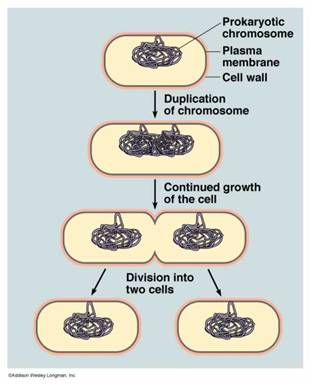
1. MOST BACTERIA reproduce by a process called BINARY FISSION.
2. BINARY FISSION IS A PROCESS IN WHICH THE CHROMOSOMES REPLICATE, AFTER WHICH THE CELL DIVIDES.
3. BINARY FISSION IS A TYPE OF ASEXUAL REPRODUCTION.
4. Under ideal conditions, bacteria divide (reproduce) rapidly, DOUBLING THEIR NUMBERS EVERY 20 MINUTES.
5. ALL BACTERIA ARE HAPLOID AND CONTAIN ABOUT 1/1000 AS MUCH DNA AS ORDINARY EUKARYOTIC CELLS. MOST BACTERIA’S DNA IS A SINGLE DOUBLE STRAND THAT ATTACHES TO THE CELL MEMBRANE AND REPLICATES JUST BEFORE THE CELL DIVIDES.
6. Some kinds of bacteria also contain SMALLER PIECES OF CIRCULLAR DNA CALLED PLASMIDS. PLASMIDS are used in genetic engineering to carry new genes into other organisms.
Some bacteria form resistant endospores at the onset of extremely unfavourable environmental conditions.
Growth stops, tough wall forms around the dry shrunken cytoplasm, cell ruptures releasing the endospore.
Converts back rapidly to a vegetative bacterial cell when favourable growth conditions return.
OTHER REPRODUCTIVE METHODS OF BACTERIA
7. BACTERIA CAN EXCHANGE GENES BY ONE OF THREE SPECIAL MEANS: CONJUGATION, TRANSFORMATION, OR TRANSDUCTION.
A. CONJUGATION – THE PROCESS OF EXCHANGING GENETIC MATERIAL THROUGH CELL-TO-CELL CONTACT (Conjugation bridge). During conjugation, DNA Moves from one bacteria cell to another, this allows the DNA to change and provide VARIATIONS and DIVERSITY of the generations of bacteria to follow. It Increases the chances that some bacteria will survive the environment changes. The bacteria attached together using special hairlike structures called PILI, a bridge of cytoplasm (CONJUGATION BRIDGE) forms between two bacteria cells, and the DNA passes from one cell to another.
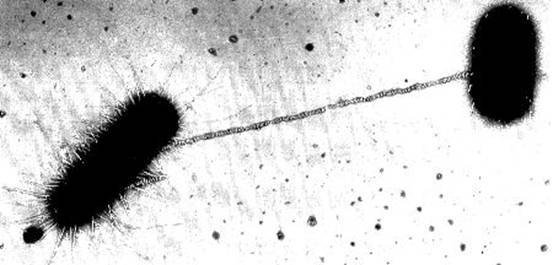
B. TRANSFORMATION – THE PROCESS BY WHICH BACTERIA CELLS PICK UP AND INCORPORATE DNA FROM DEAD BACTERIA CELLS. THEY TAKE UP DNA FROM DEAD CELLS OF THE SAME OR A CLOSELY RELATED SPECIES.
C. TRANSDUCTION – USING A VIRUS TO TRANSFER DNA FROM ONE BACTERIA TO ANOTHER. VIRUSES CALLED BACTERIAPHAGES ARE USED TO CARRY DNA BETWEEN CELLS. THIS IS ONE WAY TO GET BACTERIA TO MAKE LARGE AMOUNTS OF PROTEINS FOR RESEARCH AND MEDICINE. THIS IS USED TO PRODUCE HUMAN INSULIN NEED BY DIABETICS.
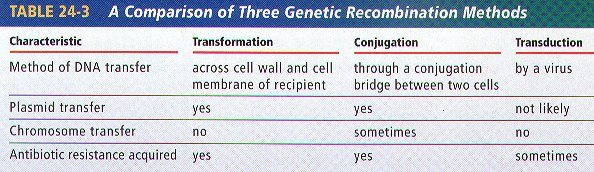
8. GENETIC RECOMBINATION in Bacteria is a NONREPRODUCTIVE means by which bacteria acquire new combinations of genes.
BACTERIA AND HUMANS
Much of our knowledge about bacteria is a result of the study of the diseases they cause in humans. In addition to what we have learned about pathogenic bacteria and how they cause disease, we have also learned how bacteria benefit us. Bacteria are used in food preparation and in environmental, chemical and mining processes.
In general bacteria are beneficial to us in the following ways:
Medical: production of antibiotics, hormone and vaccines.
Food Production: cheese, yoghurt, vinegar.
Our Health: mutualistic bacteria in our large intestine – vitamins B and D.
Pollution Control: sewage treatment, bioremediation of polluted environments.
In general bacteria are harmful to us in the following ways:
Tooth Decay
Food Spoilage
Human Diseases: tuberculosis, pneumonia, cholera, whooping cough, ulcers, tetanus.
Agriculture: livestock and crop diseases.
DISEASE
1. Many of us only think of bacteria as the germs that cause DISEASE. The scientific study of disease is called PATHOLOGY. Bacteria that cause disease are called PATHOGENS.
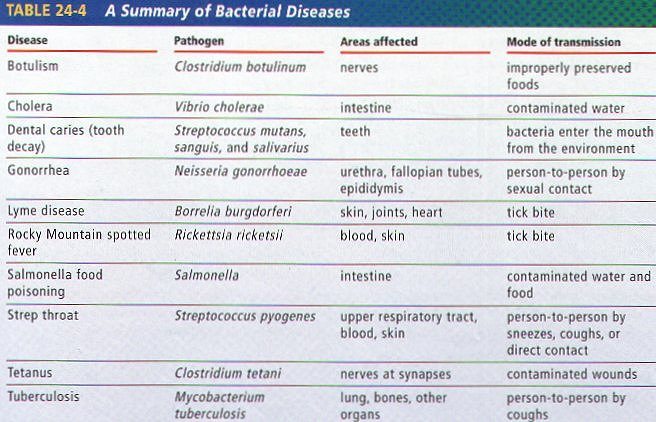
2. Some bacteria cause Disease by Producing Poisons called TOXINS.
3. EXOTOXINS are Toxins that are made from Protein. Exotoxins are produced by Gram-positive Bacteria and are secreted into the surrounding environment. TETANUS is a disease caused by an Exotoxin. Ever cut yourself or step on a nail and had to take a shot? That was to prevent Tetanus.
4. ENDOTOXINS are Toxins made of Lipids and Carbohydrates, are associated with the outer membrane of Gram-negative bacteria, such as E. coli. Endotoxins are Not Released until the bacteria Dies. Endotoxins cause fever, body aches, and weakness, and they damage the vessels of the Circulatory System.
5. Bacteria can also cause disease by damaging and destroying body tissue (Streptococci). As bacteria adhere to cells, they secrete digestive enzymes that allow further tissue invasion.
PICTURES OF SOME COMMON DISEASE CAUSING BACTERIA:
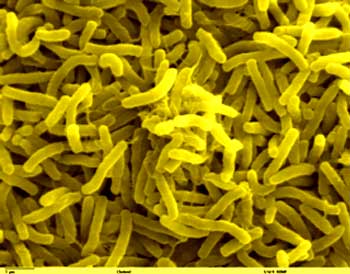
1. Scanning electron microscope image of Vibrio cholerae bacteria, which can infect the digestive system:
2. Proprionibacterium acnes – rod shaped bacterium that lives on the skin. When sebaceous glands are clogged with sebum, this bacteria multiplies quickly and breaks the sebum down into irritating fatty acids that cause an immune response. This bacterium causes the condition known as acne or acne vulgaris:
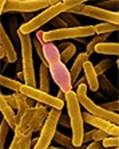
Bacillus anthracis – vegetative stage and spore formation. Note the spores forming in the vegetative cell. It most commonly occurs in wild and domestic lower vertebrates (cattle, sheep, goats, and other herbivores), but it can also occur in humans when they are exposed to infected animals or tissue from infected animals. In humans it causes the acute infectious disease, anthrax which can lead to septicemia and death if left untreated.
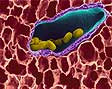
Bacillus anthracis spores in lung bronchiole:
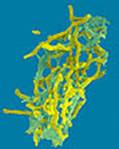
Fecal coliform bacteria from a polluted stream. The presence of fecal coliform bacteria in aquatic environments indicates that the water has been contaminated with the fecal material of man or other animals:
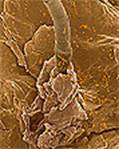
D. coli on the surface of human skin and hair follicle. Escherichia coli (E. coli) – anaerobic, rod prokaryote. Part of human and animal microbiota. E. coli can cause urinary tract infections, traveler’s diarrhea and nosocomial infections. Human skin (epidermis) with hair emerging from hair follicle.
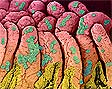
Staphylococcus aureus on the surface of the small intestine. MRSA, coccus prokaryote (dividing); causes food poisoning, toxic shock syndrome and skin and wound infections such as scalded skin syndrome, scarlet fever, erysipelas and impetigo.
ANTIBIOTICS
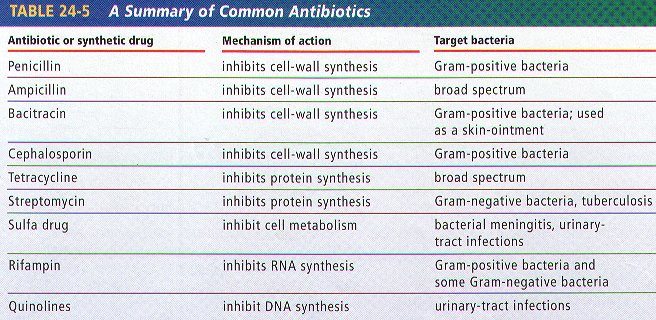
1. Antibiotics are Drugs that Fight Bacteria by interfering with their Cellular Functions.
2. PENICILLIN interferes with Cell Wall Synthesis.
3. TETRACYCLINE interferes with Protein Synthesis.
4. Many Antibiotics are derived from chemicals that Bacteria or Fungi Produce.
5. SULFA DRUGS are Antibiotics that are Synthesized in Laboratories. (Man Made)
6. Many Antibiotics are able to affect a Wide Variety of Organisms, they are called BROAD SPECTRUM ANTIBIOTICS.
ANTIBIOTIC RESISTANCE
1. When a population of bacteria is exposed to an Antibiotic, the Most susceptible DIE. A Few Mutant bacteria that are resistant to the Antibiotic may continue to grow.
2. A Resistant Population then grows from these Mutant Bacteria through reproduction and genetic recombination.
3. These new Population are Antibiotic-Resistant. This has resulted from the Over Use of Antibiotics. Many diseases that were once easy to treat are becoming more difficult to treat.
4. Antibiotic resistance genes can be obtained by the uptake of free-floating DNA released from a bacterial cell that has died. Watch a film of this occurring.
5. Antibiotic resistance genes can be shared, during conjugation, between bacteria through a sex pilus.
6. An efflux pump is a mechanism used by bacteria to eject antibiotics before they can affect the cell.
Bacteria are present in the human digestive system and aid in digestion
What is the gut flora?
Billions of bacteria inhabit the human digestive system. They form over a kilo (2.2. pounds) of our body weight. These bacteria are referred to as the gut flora. The gut flora is needed to break down food remains that have not been digested earlier in the digestive system and to discourage harmful bacteria and yeasts from invading the body. The gut flora also produces beneficial substances such as vitamins like vitamin K.
The gut flora consists of 400 different species of bacteria. Some of these are beneficial and others are potentially harmful. A balance between the two is vital for health and well-being.
What can affect the balance of the gut flora?
Illness, poor diet, stress, aging, infection by food poisoning and the use of medications can disturb the balance between the beneficial and harmful bacteria. Antibiotics are particularly harmful. Unfortunately antibiotics are unable to distinguish between beneficial and harmful bacteria and they can wipe out the beneficial bacteria, which leaves the bowel vulnerable for the invasion of potentially dangerous bacteria. This can lead to side effects such as gastrointestinal upset, involving diarrhoea, wind and bloating.
What are probiotics?
One way of maintaining a balance between the beneficial and harmful bacteria in the gut is to consume a source of beneficial bacteria in the diet. Probiotics are beneficial bacteria that can be introduced into the digestive system through food.
Probiotics that are added to foods can be derived from a human, animal or vegetable source. Most commercially promoted fermented milk products with probiotic properties contain strains of Lactobacillus bacteria or Bifidobacteria. They are also naturally normally present in the human intestine.
What are some examples of probiotic foods?
Probiotic foods are a group of functional foods. Most commercially promoted products with probiotic properties contain strains of Lactobacillus bacteria or Bifidobacteria. These are often fermented milk products.
How do probiotics work?
Most live bacteria that are ingested die when they reach the acid conditions of the stomach. For a beneficial bacterium to be classified as a probiotic it must be resistant to gastric, bile and pancreatic juices to reach the colon alive. The probiotics attach to the wall of the intestine where they increase the number of beneficial bacteria and fight against harmful bacteria thus maintaining a balance between the beneficial and harmful bacteria.
What are the health benefits of probiotics?
Generally probiotics help to maintain a healthy digestive system by maintaining a balance between the harmful and beneficial bacteria in the gut. They are of benefit especially when taken during and after antibiotic treatment or when travelling abroad where the body encounters different types of bacteria than it is used to.
Other possible health benefits include immune system stimulation, treatment of acute diarrhoea and other GI disorders and improved lactose digestion.
What is Lactobacillus GG (LGG)?
Lactobacillus GG or LGG is the world’s most clinically researched probiotic culture. Over 200 papers have now been published on LGG.
What are the health benefits of LGG?
LGG is proven to tolerate intestinal conditions such as stomach and bile acids. LGG reduces the risk of diarrhoea, shortens the duration of acute diarrhoea and reduces the risk of antibiotic associated intestinal symptoms. LGG balances the intestinal flora during a period of diarrhoea and enhances the immune response.
LGG has been shown to enhance the immune system and to promote the formation of antibodies. Regular consumption of LGG milk by children has been shown to reduce the rate of respiratory infections and a need to treat infections with antibiotics. Simultaneously, the absence of children from day care centres due to illness was reduced.
Calcium and phosphorus in milk help strengthen developing teeth and lactose, the milk sugar, is non-cariogenic. Research on children has shown that the role of milk in protecting teeth is intensified by LGG, as LGG prevents the growth of caries, which cause bacteria.
It is possible that the risk of allergy in infants can be reduced by maintaining a good bacterial balance in pregnant mothers or by modulating the intestinal flora of the infant with probiotic bacteria. LGG has shown to prevent the risk of allergy and to speed recovery in allergy in infancy.
Research in the area of rheumatoid arthritis, inflammatory bowel diseases such as Crohn’s disease, irritable bowel syndrome and cystic fibrosis has also shown promising results.
The opposite of antibiotics are probiotics – a term coined in 1965 to describe substances that favor the growth of beneficial microorganisms in the body.
Two species of probiotics, Bifidobacterium and Lactobacillus, have been studied the most.
Bacteria that produce the enzyme lactase help reduce lactose intolerance. Probiotics can treat other enzyme deficiencies (e.g. sucrase maltase deficiency) as well.
In a placebo-controlled study, Lactobacillus was given to children along with antibiotics, resulting in fewer cases of diarrhea and milder diarrhea for those who did get it.
Active-culture foods are somewhat effective at preventing and treating bacterial diarrhea, including Clostridium Shigella, Salmonella, and the dreaded E. Coli 0157:H7.
Lactobacillus is most effective at preventing and treating rotavirus and other viral infections.This suggests that probiotics are not just friendly placeholders in the gut, but active immune enhancers.
By reducing inflammation, probiotics appear to be useful in treating a variety of gastrointestinal problems including inflammatory bowel disease (such as Crohn’s disease or ulcerative colitis), ulcers, and irritable bowel syndrome. Flatulence and non-specific tummy aches can also be decreased.
Food allergies are caused by the production of antibodies (IgE) against something in the diet. Normally, a substance in our bodies called interleukin (IL-12) prevents this. A recent study showed that consuming Lactobacillus can increase IL-12, decrease IgE antibodies, and thus help prevent and treat food allergies.
Many children with eczema have flare-ups triggered by what they eat or drink. In one fascinating study, a group of children who received Lactobacillus had significant improvement of their eczema within one month!
One of the most startling recent studies of Lactobacillus indicated a “marked, long-term” protective effect on the heart, preventing and decreasing damage from lack of oxygen to the heart muscle. The effect was attributed to the demonstrated changes in inflammation and the immune system.
One double-blind, placebo controlled trial found that some strains of active-culture yogurt, eaten over 8 weeks, help lower LDL cholesterol and normalize blood pressure.Serum triglycerides were also lowered in a controlled animal study.
Because probiotics can decrease the presence of carcinogens in the intestines in several ways, they may prove helpful for preventing cancer. One important study suggests that in the soy-rich Japanese diet that seems to prevent breast cancer, it is the abundance of the probiotic Bifidobacterium in some soy products that is at least partly responsible for the powerful preventive effect.
While active-culture yogurt has proven helpful in many areas, and seems to be helpful in many others, it appears to do nothing to combat vaginal yeast infections. It has been recommended both orally and topically, but when evaluated no benefit is found. Perhaps this is because the normal population of Lactobacillus continues to thrive in the vagina even during a yeast infection.
Lactobacillus can help prevent yeast in the GI tract, diaper area and in the mouth. Probiotics can also help to prevent urinary tract infections.
What are prebiotics?
Prebiotics support the growth of beneficial bacteria in the gut. They are a natural food for probiotic bacteria.
What are synbiotics?
Synbiotics is a term to describe a food, which contains both a probiotic and a prebiotic.
BATCH PROCESSING AND CONTINUOUS FLOW PROCESSING
In biology batch processing is a way of providing the best conditions for a micro-organism or an enzyme whilst it makes something a biotechnologist requires. This might be beer or antibiotics.
All the raw materials are put in the fermenter at the start and then the micro-organism or enzyme is added. The system is then left for a long time, possibly a week, until all the raw materials have been used up and there is loads of the product. The fermenter is then emptied and other processes are used to separate the product from the micro-organism or enzyme. The fermenter is then cleaned out and the whole process begins again. They start a new batch.
Another method biotechnologist use is the continuous flow process. Here the raw materials are trickled in at the top of a column in which there are immobilised micro-organisms or enzymes. The product flows out the bottom in a pure state. It does not need to be separated from the catalyst. However this process can only be used for reactions that are fast, possibly taking 10 minutes.
BACTERIA SELF TEST
____1) What is the term for using a virus to transfer DNA from one bacteria cell to another?
a) transformation b) transduction c) conjugation d) plasmid reduction
____2) The process in which the chromosomes of a bacteria replicates and the cell divides is called
a) transduction b) binary fusion c) conjugation d) binary fission
____3) Bacterial cells typically lack
a) a cell membrane b) a cell wall c) mitochondria d) a chromosome
____4) Genetic recombination in bacteria always involves
a) viruses c) transfer of DNA through a conjugation bridge
b) transfer of one or more plasmids d) transfer of genes between bacterial cells
____5) Bacterial diseases of the intestines are usually transmitted by
a) sneezes and coughs c) contaminated food and water
b) direct contact d) contaminated wounds
____6) Which of the following is Not a mechanism of action of an antibiotic?
a) inhibiting cell wall synthesis c) inhibiting protein synthesis
b) inhibiting conjugation d) inhibiting DNA synthesis
____7) On what basis have bacteria traditionally been classified?
a) shape c) type of respiration
b) response to Gram staining d) All of the above.
____8) The type of bacteria which peptidoglycan is absent in cell walls
a) eubacteria b) phototoautotrophs c) archaebacteria d) actinomycetes
____9) A process by which two living bacteria bind together and transfer genetic information is called
a) conjugation b) transformation c) transduction d) encapsulation
____10) Archaebacteria and eubacteria are placed in separate kingdoms because archaebacteria
a) lack cell membranes
b) have cell walls that contain peptidoglycan
c) evolved after eubacteria evolved
d) have some genes that closely resemble those found in eukaryotes
____11) Bacteria can survive
a) near volcanic vents b) in layers of infertile soil c) beneath ice d) All of the above.
____12) Gram-positive bacteria
a) appear purple after Gram staining c) frequently cause diseases that cannot be cured by antibiotics
b) have a thicker layer of peptidoglycan d) All of the above are true.
____13) Gram positive bacteria differ from Gram-negative bacteria in
a) their response to the Gram stain c) their susceptibility to antibiotics
b) the make up of their cell walls d) All of the above.
____14) Actinomycetes
a) archaebacteria that are spiral shaped c) produce many antibiotics
b) proteobacteria that causes tooth decay d) gram-negative bacteria that are photosynthetic
____15) One structure you would NOT find in a bacteria cell is a
a) cell wall b) cell membrane c) mitochondrion d) chromosome
____16) Which types of bacteria can live in the presence of oxygen?
a) only obligate anaerobes c) only obligate aerobes
b) only obligate aerobes and facultative anaerobes d) all bacteria
____17) A poison that is released from the outer membrane of dead Gram-negative bacteria is called
a) a pathogen b) an exotoxins c) an endotoxins d) a broad-spectrum toxin
___18) Which of the following types of bacteria would you be most likely to find in very salty water?
a) chemoautotrophs b) extreme halophile c) cyanobacterium d) thermoacidophile
____19) Which of the following types of bacteria would you be most likely to find in the human intestinal tract?
a) spirochete b) cyanobacterium c) thermoacidophile d) enteric bacterium
____20) The earliest known group of living organisms on Earth is
a) viruses b) fungi c) bacteria d) protists
____21) Which of the following might be found in the cytoplasm of a bacteria cell
a) chloroplast b) Golgi bodies c) mitochondria d) None of the above.
____22) Bacteria cells have
a) a cell wall only c) both a cell membrane and an outer wall
b) a cell membrane only d) a cell wall inside of their cell membrane
____23) It is important to distinguish between Gram-positive and Gram-negative bacteria in diagnosing a bacteria infection because
a) Gram-negative bacteria are not killed by many antibiotics
b) Gram-positive bacteria never cause fatal diseases
c) Gram-positive bacteria destroy antibiotics, preventing them from working
d) Gram-positive bacteria do not respond to many antibiotics
____24) Which of the following is a beneficial effect of certain bacteria?
a) nitrogen fixing b) the synthesis of insulin c) nutrient cycling d) All of the above.
____25) Chemosynthesis
a) is photosynthesis that is carried out by bacteria rather than plants
b) is performed by heterotrophic bacteria
c) enables the synthesis of organic molecules using energy from inorganic molecules
d) cannot manufacture their own food
____26) Nitrogen fixing bacteria
a) repair nitrogen damaged legume roots
b) damage the environment by using atmospheric oxygen to produce toxic nitrogen compounds
c) convert atmospheric nitrogen into ammonia
d) convert ammonia in the soil into nitrogen gas
____27) Prokaryotes Do Have a cell membrane but Do NOT Have a
a) nucleus b) single cell c) ribosome d) cell wall
____28) What are all of the known species of bacteria?
a) eukaryotes b) multicellular c) prokaryotes d) viruses
____29) Bacteria are classified into Two Kingdoms: Kingdom eubacteria and Kingdom
a) methanogens b) cyanobacteria c) archaebacteria d) Gram-negative bacteria
____30) Fossil evidence indicates that the earliest bacteria on Earth lived about
a) 1 billion years before humans c) 1 billion years before eukaryotes
b) 2 billion years before eukaryotes d) None of the above.
____31) Bacteria that capture energy from the sunlight are
a) photoautotrophic bacteria b) saprophytic bacteria c) chemoautotrophic bacteria d) methanogens
____32) Which of the following associations Incorrectly describes an archaebacterium and its characteristics?
a) extreme halophile-high salt environments c) methanogen-aerobic environments
b) thermoacidophile-hot, acidic environments d) methanogen-human intestinal tract
____33) Which of the following is Not a bacterial structure that provides the type of movement indicated?
a) pilus-crawling motion c) flagellum-turning and tumbling while moving
b) slime layer-gliding d) spiral shaped-corkscrew motion
____34) Bacteria that obtain energy from dead organisms are
a) photoautotrophic bacteria b) saprophytic bacteria c) chemoautotrophic bacteria d) methanogens
____35) Bacteria that obtain their energy from inorganic compounds are
a) photoautotrophic bacteria b) saprophytic bacteria c) chemoautotrophic bacteria d) cyanobacteria
____36) Bacteria that can survive only in the absence of oxygen are called
a) obligate aerobes b) obligate anaerobes c) facultative anaerobes d) thermophilic
____37) How do Rhizobium help plants?
a) through parasitism b) by producing toxin c) by fixing nitrogen d) by fixing oxygen
____38) Whiplike structures used by bacteria for movement are called
a) spheres b) spirilla c) flagella d) pili
____39) Individual cells of bacteria can be spheres, spirals, or
a) cubes b) rods c) flagella d) plasmids
____40) Bacterial cells pick up and incorporate DNA from dead bacterial cells in a process called
a) transformation b) transduction c) conjugation d) binary fission
____41) Gram-negative bacteria that can perform plantlike photosynthesis and release oxygen are called
a) thermoacidophiles b) cyanobacteria c) methanogens d) actinomycetes
____42) Archaebacteria called chemosynthesizers use inorganic compounds as a(n)
a) energy source b) habitat c) sulfur-storing site d) host
____43) The archaebacteria that produces methane are called
a) thermoacidophiles b) eubacteria c) extreme halophiles d) methanogens
____44) Which of the following bacteria are thought to be responsible for establishing Earth’s oxygen rich atmosphere?
a) methanogens b) extreme halophiles c) cyanobacteria d) spirochetes
____45) Genetic recombination in bacteria
a) is a form of sexual reproduction c) includes transformation and translation
b) includes transformation and transduction d) always requires a conjugation bridge
TRUE OR FALSE
Bacterial cells have membrane-bound organelles and chromosomes.
Certain antibiotics have become ineffective against certain strains of bacteria. These bacteria have developed a resistance,
which may be passed on from one generation of bacteria to the next.
Bacteria that can survive only in the absence of oxygen are called obligated aerobes.
The photoautotrophic bacteria are the only bacteria that are indirectly beneficial to humans.
Bacterial cells are usually much larger than eukaryotic cells.
Gram-negative bacteria have a thick layer of peptidoglycan that stains purple.
Ancient bacteria known as archaebacteria are now extinct.
Although there are some bacteria that are heterotrophic, the vast majority are autotrophic.
Bacteria lack nuclei and therefore also lack genetic material.
Photosynthetic bacteria are present in leguminous plants and convert atmospheric nitrogen into a form that is usable by the plant.
Gram-negative bacteria appear purple when they undergo the Gram-stain procedure.
Bacteria are incapable of movement themselves; they an only get to new locations by growing toward them or by forming
endospores and being carried in air or water.
The bacterial cell wall prevents the passage of antibiotics and is only means by which bacteria can resists antibiotics.
Some bacteria cannot survive in the presence of oxygen.
The terms eubacteria and archaebacteria refer to members of a single kingdom.
When bacteria undergo nonreproductive genetic recombination, their bacterial chromosome is altered.
1. Bacterial cells pick up and incorporate DNA from dead bacterial cells in a process called _________________________________________
2. The archaebacteria that produce methane gas are called ______________________________.
3. _____________________________ bacteria grow best in temperatures between 40 C and 110 C.
4. Many bacteria species produce an outer covering called a ___________________________.
5. Bacteria are microscopic ____________________________________.
6. When cocci occur in chains, they are called ______________________________, grapelike clusters of cocci are called ________________________________________.
7. What type of archaebacteria bacteria would you be most likely to find in hot water that has a pH of 2? __________________________________
8. _________________________ are photosynthetic and give off oxygen as a waste product.
9. What is the term for using a virus to transfer DNA from one bacteria cell to another? _____________________________________
10. During Gram staining, Gram positive bacteria retain the dye and appear ______________________________.
11. Bacteria are classified into Two Kingdoms: Kingdom _________________________ and Kingdom ___________________________
12. Bacteria that capture energy from the sunlight are called ____________________________ bacteria.
13. Bacteria that obtain their energy from inorganic compounds are called ________________________________ bacteria.
14. During Gram staining, Gram negative bacteria retain the dye and appear ____________________________________.
15. Bacteria that can survive only in the absence of oxygen are called __________________________________________________
16. What are the Three basic shapes of eubacteria? __________________________, __________________________ and _________________________________.
17. Gram positive bacteria have a thicker layer of _______________________________ in there cells walls.
18. Heterotrophic bacteria that feed on dead and decaying material are called ___________________________________________________.
19. _________________________________________ bacteria can live with or without oxygen.
20. _____________________________________ are specialized cells that contain enzymes for fixing atmospheric nitrogen.
21. The type of bacteria which peptidoglycan is absent in cell walls are called ________________________________________ bacteria.
22. What type of archaebacteria bacteria would you be most likely to find in very salty water? _________________________________________________________________
23. ___________________________________ bacteria are Gram negative heterotrophic bacteria that inhabit animal intestinal tracks.
24. What type of archaebacteria bacteria would you be most likely to find in an anaerobic environment? _____________________________________________________
25. Bacteria that can survive only in the presence of oxygen are called ________________________________________________________________
DIRECTIONS: Answer the questions below as completely and as thoroughly as possible. Answer the question in essay form (not outline form), using complete sentences. You may use diagrams or picture to supplement your answers, but a diagram or picture alone without appropriate discussion is inadequate. See me if you need Help, Have Problems or Questions or To Check Your Answers.
1. Describe the capsule of a bacterium and its function.
2. Identify the most common shapes of eubacteria and Describe each.
3. Compare and Contrast Archaebacteria with Eubacteria.
4. Identify Three Ways that bacteria are used to produce substances for human use.
5. Describe the significance of cyanobacteria in the formation of the Earth’s atmosphere.
6. List the various structures of the bacterial cell, and Describe their function.
7. Explain the laboratory technique Gram stain and Explain what it is used for.
8. Define the term genetic recombination as it applies to bacteria, and Describe Three ways that genetic
recombination occurs in bacteria.
9. Explain how chemoautotrophs differ from photosynthetic autotrophs.
10. Explain how the terms bacteria, eubacteria, and archaebacteria, relate to one another.
11. Describe Three Types of movement among bacteria.
12. List the characteristics that are used to classify bacteria.
13. Explain how chemoautotrophs harvest energy from the environment.
14. Describe Two Ways bacteria cause disease.
15. Explain why antibiotic resistance among bacteria is increasing.
16. List one distinguishing characteristic of each of the three main groups of archaebacteria.